

Short-Run vs. Long-Run Printing: Which Is Right for Your Project?
How many pieces should you print?
It sounds like a simple question, but quantity can affect almost every part of a commercial print project—including the production method, unit cost, turnaround time, and flexibility.
For businesses in Toronto and throughout the GTA, understanding the difference between short-run and long-run printing can help avoid unnecessary costs while ensuring you have the materials you actually need.
What Is Short-Run Printing?
Short-run printing generally refers to producing relatively small quantities.
There's no universal number that defines a short run. What is considered short depends on the product, size, stock, finishing, and printing process.
Digital printing has made short quantities much more practical because there is typically less production setup than traditional offset printing.
Short runs can be particularly useful for:
- Test marketing
- Limited-time promotions
- Small events
- Regional campaigns
- Frequently updated materials
- Multiple versions
- Prototype projects
- Small sales teams
Advantages of Printing Shorter Quantities
One of the biggest advantages is flexibility.
If pricing, staff, products, or branding changes frequently, ordering a year's worth of material may not make sense.
Short-run printing allows businesses to update materials more often and reduce the risk of throwing away obsolete inventory.
It can also be useful when you're testing a new design or campaign before committing to a larger production quantity.
When Does Long-Run Printing Make Sense?

Longer runs become attractive when a business knows it will use a significant quantity of the same piece.
Depending on the specifications, offset printing can become increasingly cost-effective as quantities rise because production setup costs are spread across more pieces.
Examples might include:
- High-volume brochures
- Catalogues
- Corporate materials
- Inserts
- Direct-mail campaigns
- Large product launches
- Frequently used sales collateral
The key consideration isn't simply obtaining the lowest unit price. It's determining whether you will actually use the inventory.
The Cheapest Unit Cost Isn't Always the Cheapest Option
Imagine a company needs approximately 2,000 brochures today.
Printing 10,000 may offer a lower cost per brochure, but what happens if the company's pricing, products, branding, or contact information changes after only 3,000 have been used?
The remaining 7,000 brochures may become obsolete.
In that situation, the lower unit cost didn't necessarily create a lower overall cost.
This is why quantity planning is an important part of commercial printing.
Consider Versioning
One major advantage of digital production is the ability to produce different versions more efficiently.
A business might need essentially the same brochure for Toronto, Mississauga, Markham and Vaughan, but with different contact information or offers.
Instead of producing one large generic run, smaller quantities of each version may provide a better customer experience.
Variable data can take this concept even further by changing text, images, codes or other information from one printed piece to another.
Don't Forget Storage
Large quantities take up space.
Before increasing an order only to achieve a lower unit cost, consider where the finished materials will be stored and who will manage that inventory.
For businesses with recurring requirements, it may make more sense to coordinate production and fulfillment rather than shipping everything to the office at once.
Finishing Can Affect the Decision
Specialty finishes can also influence the ideal quantity and production method.
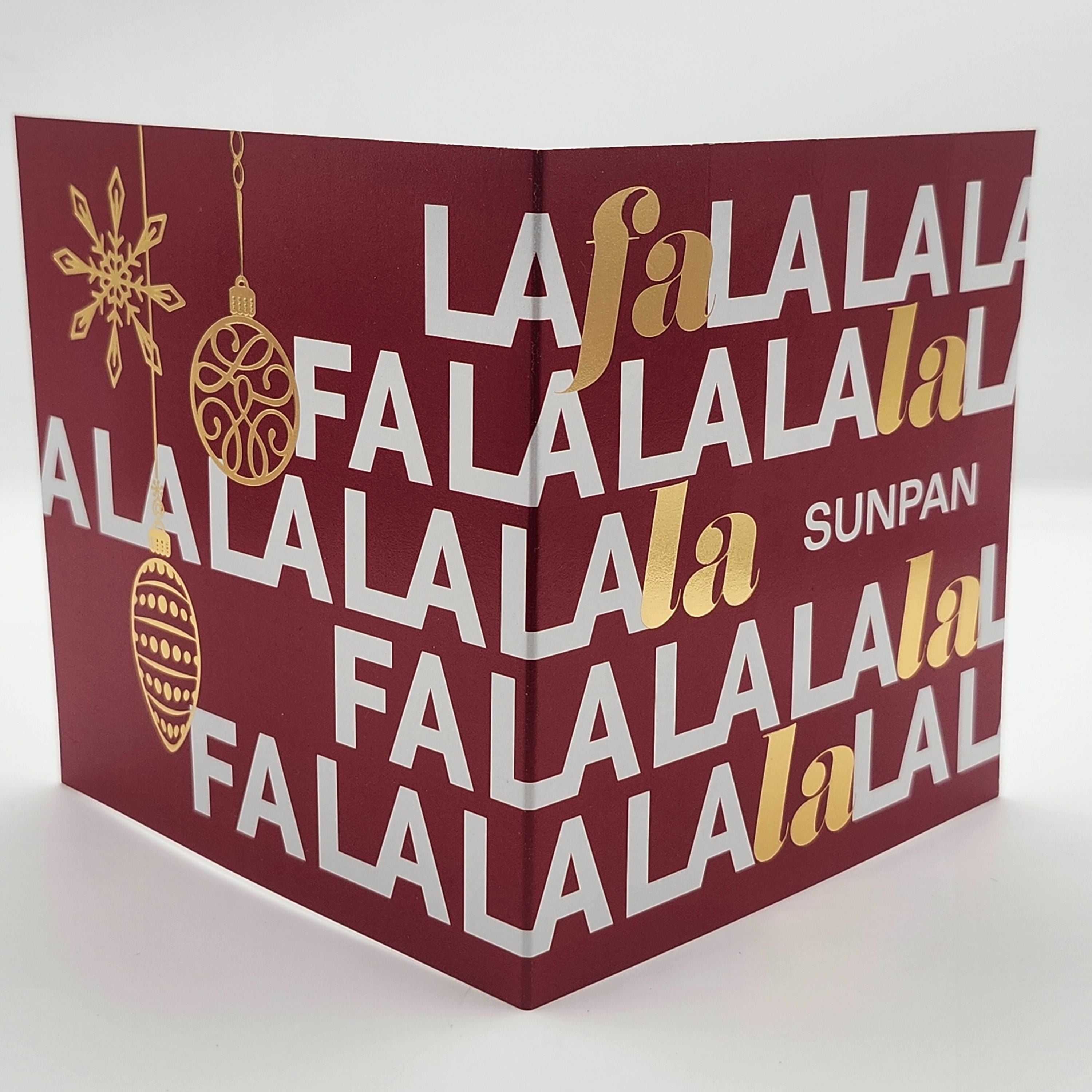
Foil, die cutting, lamination, binding, coatings, and specialty stocks each have their own production considerations.
Discussing these requirements at the quoting stage helps determine the most efficient way to produce the project.
Ask Your Printer Before Choosing a Quantity
Before deciding on an arbitrary quantity, speak with your commercial printer about how the project will be used.
Sometimes comparing pricing at several quantities—for example, 500, 1,000, 2,500, and 5,000—makes the best production point much clearer.
Evergreen Graphics Group helps businesses throughout Toronto, the GTA, and Canada determine the right printing method and quantity based on the project rather than simply producing more than you need.
Not sure what quantity makes the most sense? Contact Evergreen Graphics Group for recommendations and a custom print quote.